
Roof Replacement in Summer: What Homeowners Need to Know Before Starting
Introduction: summer feels “convenient”… until the roof project derails your week
Summer is the season most homeowners circle for big projects: longer days, fewer storms (in many regions), kids out of school, and the idea that a roof replacement will be “in and out” in a day or two.
But summer roof replacements also come with real risks: extreme heat that can damage materials if handled poorly, crews working under tougher conditions, higher demand that can stretch timelines, and the temptation to choose the fastest (not the best) contractor.
If you’re considering a roof replacement in summer, this guide will help you make smart, practical decisions before you sign a contract—so you get a roof that performs for decades, not a rushed install you regret after the first leak.
Is summer a good time to replace a roof?
Yes—summer can be an excellent time for roof replacement, especially when:
- You want predictable scheduling (long daylight hours)
- You need faster drying/curing conditions for certain products
- You’re trying to avoid winter rain/snow delays
But it’s not automatically “the best” time. The real answer depends on your climate, your roof type, and how your contractor manages heat, ventilation, and material handling.
Quick answer (search intent): what homeowners should know before starting
Before starting a summer roof replacement, you should:
- Book early (summer is peak season)
- Confirm heat-safe installation practices (shingle handling, ventilation, underlayment)
- Plan for attic ventilation upgrades (often the hidden performance factor)
- Choose materials rated for your climate (heat, UV, algae, impact)
- Get a written scope that includes decking, flashing, and warranty details

Roof replacement in summer: benefits, drawbacks, and what changes in hot weather
Benefits of replacing a roof in summer
- More consistent weather windows: Fewer rain delays in many areas.
- Longer workdays: Crews can start earlier and finish sooner.
- Better sealing conditions for asphalt shingles: Warmth helps shingles seal—when installed correctly.
Drawbacks (and how to avoid them)
- Heat stress on crews: Quality can suffer if a crew is rushing to beat heat. Ask about start times and break schedules.
- Material handling issues: Asphalt shingles can scuff, tear, or deform if stored/handled incorrectly in high heat.
- Higher demand and pricing pressure: Peak season can mean longer lead times and less negotiating room.
Expert insight: heat doesn’t “ruin” a roof—bad process does
In summer, the difference between a great roof and a problem roof is often process:
- Are shingles stored in shade and lifted as needed?
- Is underlayment selected for high-temperature performance?
- Are flashing details done carefully (not “good enough”)?
- Is ventilation designed—not guessed?
A contractor who can explain these clearly is usually a safer bet than one who only talks about “getting you on the schedule fast.”
Signs you should replace your roof before summer ends
If you’re on the fence, these are common indicators a replacement (not just a repair) may be the smarter move:
- Shingles curling, cracking, or missing
- Granules collecting in gutters (asphalt shingle wear)
- Soft spots on the roof deck (possible decking damage)
- Recurring leaks in different areas
- Sagging roofline
- Your roof is near the end of its expected lifespan (often 15–30 years depending on material)
Real-world example: the “small leak” that becomes a full decking replacement
A homeowner notices a minor ceiling stain in June and waits until late fall. By then, repeated heat expansion + occasional summer storms have pushed water farther into the decking. What could’ve been a targeted repair becomes a larger replacement with more woodwork.
If you’re seeing early warning signs, summer can be the right time to act—before damage spreads.
How to plan a summer roof replacement (step-by-step)
1) Get a roof inspection that includes attic/ventilation review
A roof replacement isn’t just shingles. Ask your contractor to evaluate:
- Attic ventilation (intake + exhaust)
- Insulation levels and attic temperature
- Signs of moisture, mold, or decking rot
- Existing flashing and penetrations (chimney, skylights, vents)
Why it matters: In summer, poor ventilation can bake your attic, shorten shingle life, and drive up cooling costs.
2) Choose the right roofing material for heat and UV
Common options for home service markets:
- Architectural asphalt shingles: Popular, cost-effective, wide style selection.
- Impact-rated shingles: Helpful in hail-prone regions.
- Metal roofing: Excellent longevity and heat performance; higher upfront cost.
- Tile (clay/concrete): Great for heat; requires structural considerations.
Semantic keywords to consider in your decision
Look for products marketed with:
- “Cool roof” or solar reflectance ratings
- High wind ratings
- Class 4 impact ratings (where relevant)
- Algae-resistant technology
3) Confirm high-temp underlayment and ventilation details in writing
In hot climates, underlayment selection matters. Ask:
- What underlayment will be used (synthetic vs felt)?
- Is it rated for high temperatures?
- What’s the ice-and-water shield plan (valleys, eaves, penetrations)?
Also ask how they will handle:
- Ridge vent installation (if applicable)
- Soffit intake balancing
- Baffles to keep insulation from blocking airflow
4) Understand the timeline and what “one-day roof” really means
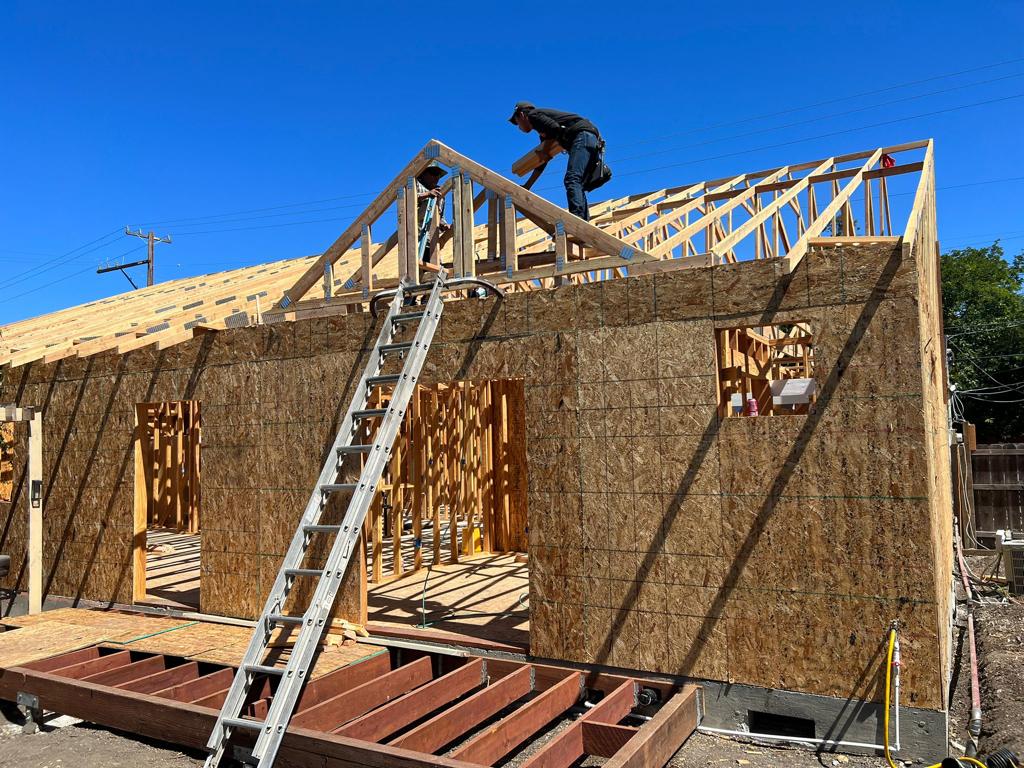
A typical roof replacement can take 1–3 days depending on:
- Roof size and pitch
- Number of layers to tear off
- Complexity (valleys, dormers, skylights)
- Decking repairs
A “one-day” promise can be fine—if the crew size and plan match the scope. The key is quality control, not speed.
5) Protect your home and your routine
Summer often means:
- Kids home
- Working from home
- Pets inside
Plan for noise and debris:
- Move cars away from the driveway
- Cover attic items (dust)
- Tell your contractor about sprinklers, fragile landscaping, and pool equipment
- Ask about daily cleanup and magnet sweeps for nails

What to ask a roofing contractor before a summer roof replacement
Use these questions to filter out “fast talkers” and find a pro who installs for performance:
Licensing, insurance, and workmanship
- Are you licensed and insured in my area?
- Who is responsible for permits?
- Do you use subcontractors or in-house crews?
- What workmanship warranty do you provide?
Materials and system design
- What shingle/roofing system do you recommend for my climate and why?
- Will you replace flashing or reuse it?
- How will you address ventilation (intake + exhaust)?
- What is your plan for valleys, chimneys, and pipe boots?
Proof and process
- Can you show recent local projects similar to mine?
- Will I get a written scope of work and line-item estimate?
- Who is my point of contact during the job?
Pro tip: A high-quality contractor will welcome these questions and answer without defensiveness.
Summer-specific installation tips (what good contractors do)
Start early and stage materials correctly
In peak heat, crews often start earlier to work safely and maintain precision.
Good staging looks like:
- Shingles stored out of direct sun when possible
- Materials lifted to the roof as needed (not baked all day)
- Tear-off and install sequenced to avoid exposing decking
Use proper ventilation and heat management
A roof replacement is a perfect time to fix ventilation because:
- Ridge vents can be cut cleanly
- Intake can be evaluated and improved
- Exhaust can be balanced for airflow
If your attic is consistently scorching, a new roof without ventilation improvements is like buying a new engine but keeping a clogged air filter.
Prioritize flashing and waterproofing details
Most roof leaks aren’t “shingle failures.” They’re detail failures:
- Chimney flashing
- Valley metal
- Step flashing at walls
- Skylight curbs
- Pipe boots
In summer, sealants can behave differently in high heat. A contractor should use appropriate products and rely on correct mechanical flashing—not just caulk.
Common mistakes homeowners make with summer roof replacement
1) Choosing the lowest bid without comparing scope
Two estimates can look similar but hide major differences:
- Reusing old flashing vs replacing
- Minimal underlayment vs upgraded system
- No ventilation work included
- No decking allowance or inspection plan
2) Ignoring ventilation because “we’re replacing the roof anyway”
Ventilation is a performance system. If it’s wrong, your new roof can age faster and your HVAC can work harder.
3) Waiting too long to schedule
Summer books up. Waiting until you “really have to” can mean:
- Limited contractor availability
- Rushed decisions
- Higher prices
4) Not getting warranty terms in writing
Ask for:
- Manufacturer warranty details (and what voids it)
- Workmanship warranty length and coverage
- Whether the contractor is certified by the manufacturer (if relevant)
5) Assuming all shingles are the same
Even within asphalt shingles, there are major differences in:
- Weight and durability
- Wind rating
- Algae resistance
- Color/UV performance
Cost factors: what affects roof replacement pricing in summer?
Roof replacement cost depends on:
- Roof size (squares)
- Pitch and complexity
- Tear-off layers
- Decking repairs
- Material choice (asphalt vs metal vs tile)
- Ventilation upgrades
- Local labor demand (often higher in summer)
Actionable tip: Ask for a line-item estimate that separates:
- Tear-off and disposal
- Underlayment and waterproofing
- Flashing and penetrations
- Ventilation work
- Decking replacement allowance
This makes it easier to compare bids apples-to-apples.
Recent Blogs
FAQ: Roof replacement in summer (featured snippet-friendly)
Is it safe to replace a roof in extreme heat?
Yes, but safety and quality depend on the contractor’s process. In extreme heat, crews should start early, take breaks, stage materials properly, and avoid rushing critical waterproofing and flashing details.
Will summer heat help shingles seal faster?
Warm temperatures can help asphalt shingles seal, but proper installation is still essential. Correct nailing, alignment, and ventilation matter more than heat alone.
How long does a summer roof replacement take?
Many residential roofs take 1–3 days, depending on size, pitch, tear-off layers, and complexity (valleys, skylights, chimneys). Decking repairs can add time.
Should I replace my roof before hurricane or storm season?
If your roof is aging or showing damage, replacing it before severe storm season can reduce leak risk and improve wind resistance—especially if you choose high-wind-rated materials and upgrade flashing and underlayment.
What temperature is too hot for roofing?
There isn’t one universal cutoff, but very high surface temperatures can affect material handling and worker safety. A reputable contractor will adjust schedule, staging, and product selection to match conditions.
Can I stay home during a roof replacement?
Usually yes, but expect significant noise and vibration. Plan for pets, kids, and work calls. Ask your contractor about start times, cleanup routines, and nail sweeps.
What should be included in a roof replacement contract?
A strong contract should include the full scope (tear-off, underlayment, flashing, ventilation), material specs, decking repair plan, cleanup/disposal, timeline, payment schedule, and warranty terms.
Conclusion: a summer roof replacement can be smooth—if you plan it like a pro
A roof replacement in summer can be one of the smartest home upgrades you make—protecting your home, improving energy efficiency, and preventing expensive water damage.
The key is choosing a contractor who installs a complete roofing system (not just shingles), addresses ventilation, and documents the scope clearly.
Next step (CTA): If you’re considering a roof replacement this summer, schedule a professional inspection and request a written, line-item estimate. A good roofer will walk you through options, explain heat-specific best practices, and help you choose materials built for your local climate.