

The Best Roofing Materials for Bay Area Homes
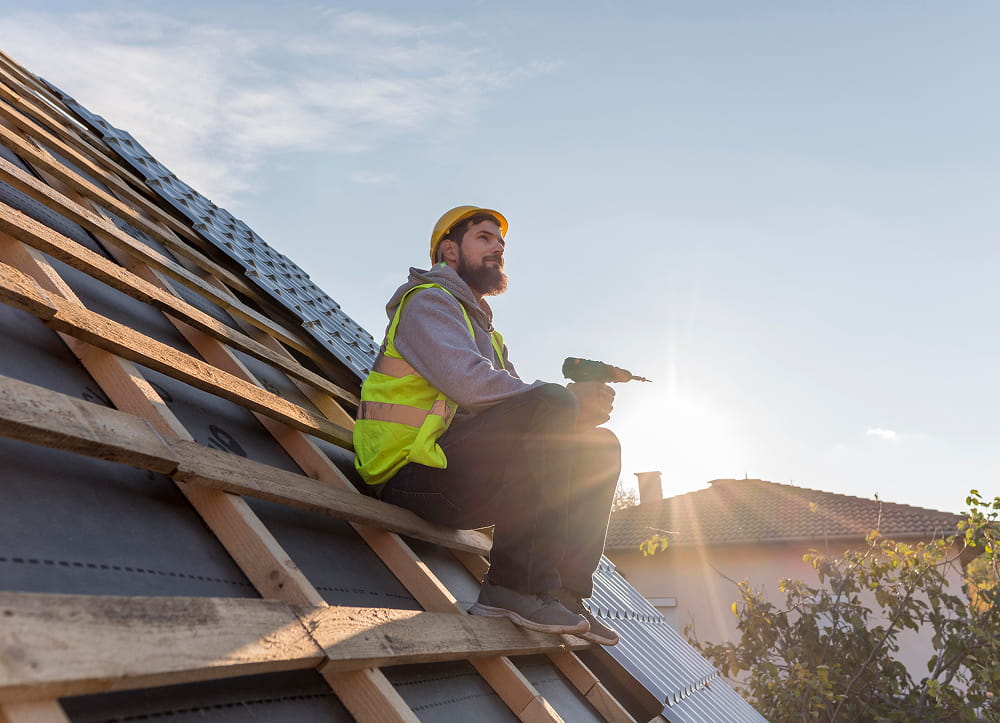
Introduction: summer heat doesn’t “create” roof problems — it exposes them
A lot of homeowners assume roof issues show up in winter: rain, wind, leaks. But summer is when small roof weaknesses turn into expensive surprises.
Heat doesn’t just bake shingles. It expands materials, dries out sealants, and pushes your attic temperatures higher — which can accelerate aging, raise energy bills, and turn a “minor issue” into a full replacement you didn’t plan for.
If you’re wondering whether your roof can handle another summer, this guide gives you the clearest answer: the 5 most reliable signs you should replace your roof before the hottest months hit, plus what to do next if you spot them.
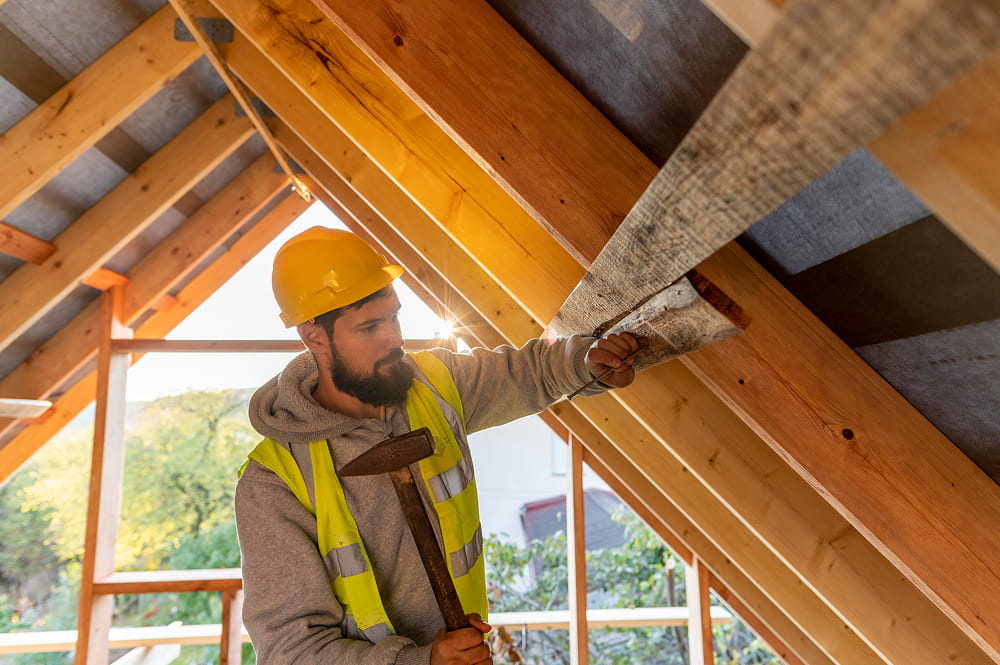
Quick answer: should you replace your roof before summer?
If your roof is near the end of its lifespan or showing multiple failure signals (shingle deterioration, recurring leaks, sagging, ventilation issues, widespread granule loss), replacing it before peak summer heat can:
- reduce the chance of emergency repairs
- improve cooling efficiency
- prevent hidden moisture damage from getting worse
- make scheduling easier (before peak season)
This is primarily informational — but if you’re seeing 2+ signs below, it’s also a strong signal to get quotes and a professional inspection.
Why summer heat is hard on roofs (and why timing matters)
Roof systems take the most abuse when temperatures swing daily:
- shingles and underlayment expand and contract
- sealants around flashing and penetrations dry out faster
- attic heat builds if ventilation is weak
- UV exposure accelerates aging
Translation: a roof that “seems fine” in spring can fail fast in July/August.

The 5 signs you should replace your roof before summer heat hits
Sign #1: Your roof is at (or past) its expected lifespan
What to look for
Even if your roof isn’t actively leaking, age is the #1 predictor of failure.
General lifespan ranges (varies by installation quality, ventilation, and climate):
- Asphalt shingles: often 15–30 years
- Wood shake: often 20–30 years
- Tile: often 40–50+ years (underlayment may need replacement sooner)
- Metal: often 40–70 years
Why this matters before summer
Older roofs are more likely to have:
- brittle shingles that crack under heat
- failing sealant lines
- weakened underlayment
Actionable tip
If you don’t know your roof’s age:
- check your home inspection report
- look for permits (many cities have online permit history)
- ask the previous owner (if possible)
- have a roofer estimate age based on material condition
Real example
A homeowner with a 22-year-old asphalt shingle roof has “no leaks.” But they’re seeing rising AC costs and a few lifted shingles. By mid-summer, heat and wind combine to tear off a section during a dry storm — turning a planned project into an urgent one.
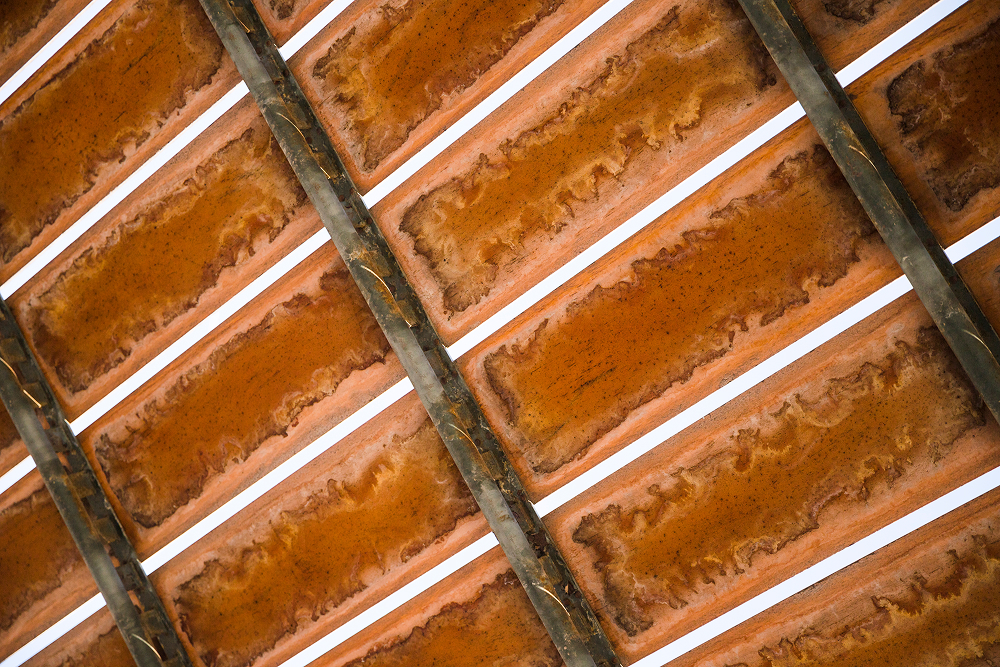
Sign #2: Shingles are curling, cracking, blistering, or missing
What to look for (quick checklist)
- curled edges or “cupping” shingles
- cracks running through shingles
- blistering (bubbles) that later pop
- missing shingles or exposed nail heads
- uneven roof lines where shingles look wavy
Why this matters before summer
Heat accelerates brittleness. Once shingles lose flexibility, they’re more likely to:
- crack during expansion cycles
- lift in wind
- lose their seal strip adhesion
Actionable tip
Do a simple ground-level inspection:
- walk around your home with binoculars
- look for pattern issues (not just one shingle)
- check ridges and edges first (they fail earlier)
If you’re seeing deterioration across multiple areas, that’s usually replacement territory — not patchwork.
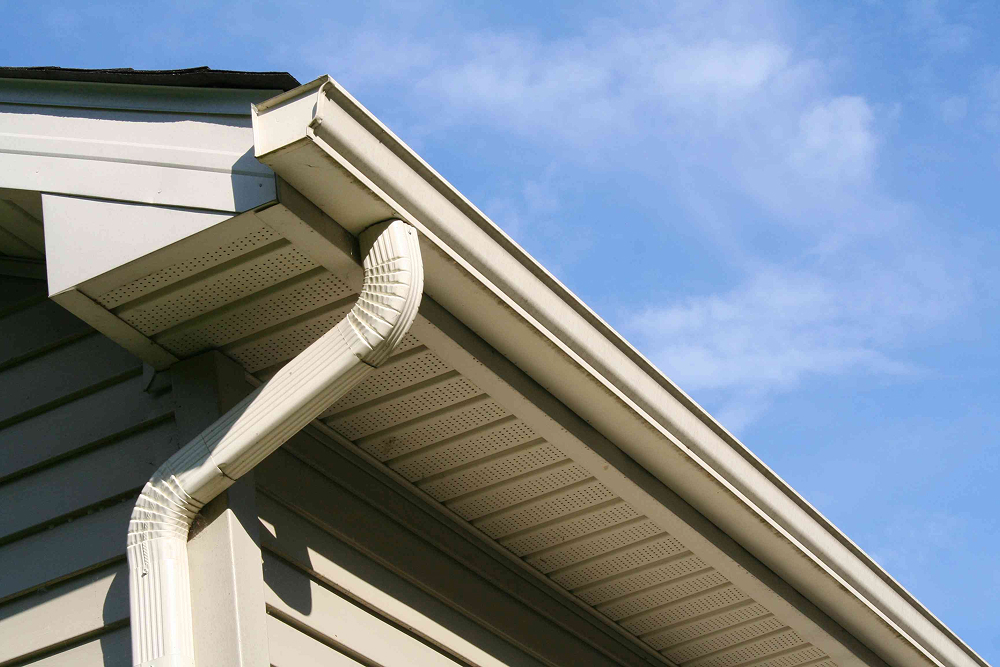
Sign #3: Granules are washing into gutters (or you see “bald spots”)
What to look for
- gritty sand-like granules in gutters/downspouts
- dark patches where shingles look bare
- inconsistent shingle color (fading + exposed asphalt)
Why this matters before summer
Granules protect shingles from UV. When they’re gone:
- UV damage accelerates
- shingles dry out faster
- cracking and failure speed up
Actionable tip
Check after a windy day or heavy rain:
- look in the gutter corners
- check where downspouts discharge
A little granule loss is normal on a new roof. Heavy granule accumulation on an older roof is a red flag.
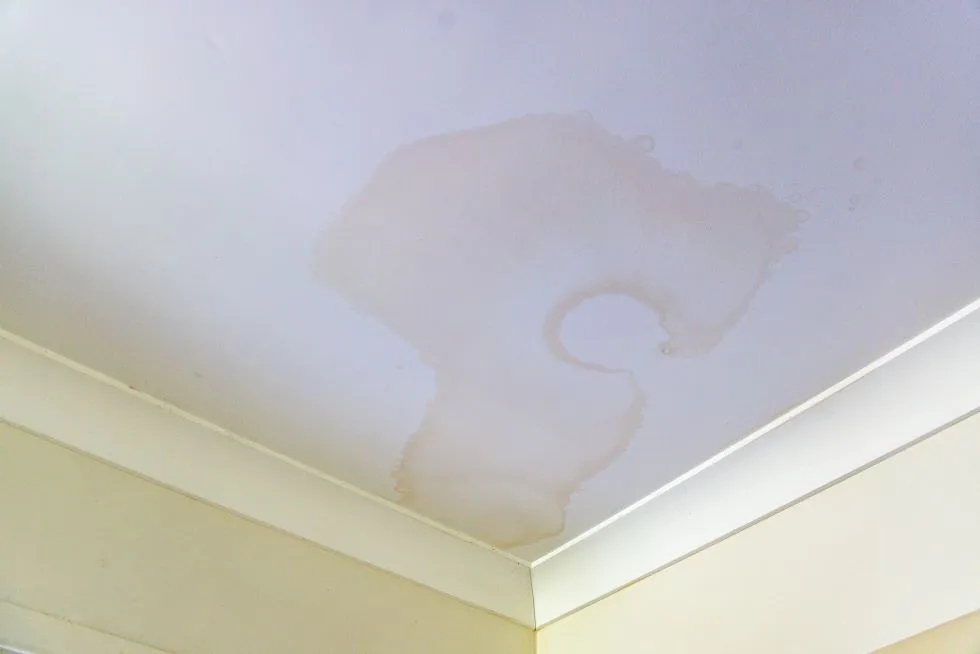
Sign #4: You have recurring leaks, ceiling stains, or “mystery moisture”
What to look for
- water stains on ceilings or walls
- peeling paint near the top of walls
- musty attic smell
- damp insulation
- mold spots on sheathing
Why this matters before summer
Summer heat can mask leak symptoms temporarily (things dry out), but the damage continues:
- wet insulation loses R-value
- wood rot spreads
- mold risk increases
Also, many leaks aren’t from the “field” shingles — they’re from:
- chimney flashing
- skylight flashing
- pipe boots
- valleys
- poorly sealed roof vents
Actionable tip
If you’ve repaired the same leak twice, stop paying for whack-a-mole. Ask for a full assessment of:
- flashing system
- underlayment condition
- decking integrity
Recurring leaks are often a system failure, not a single-point issue.
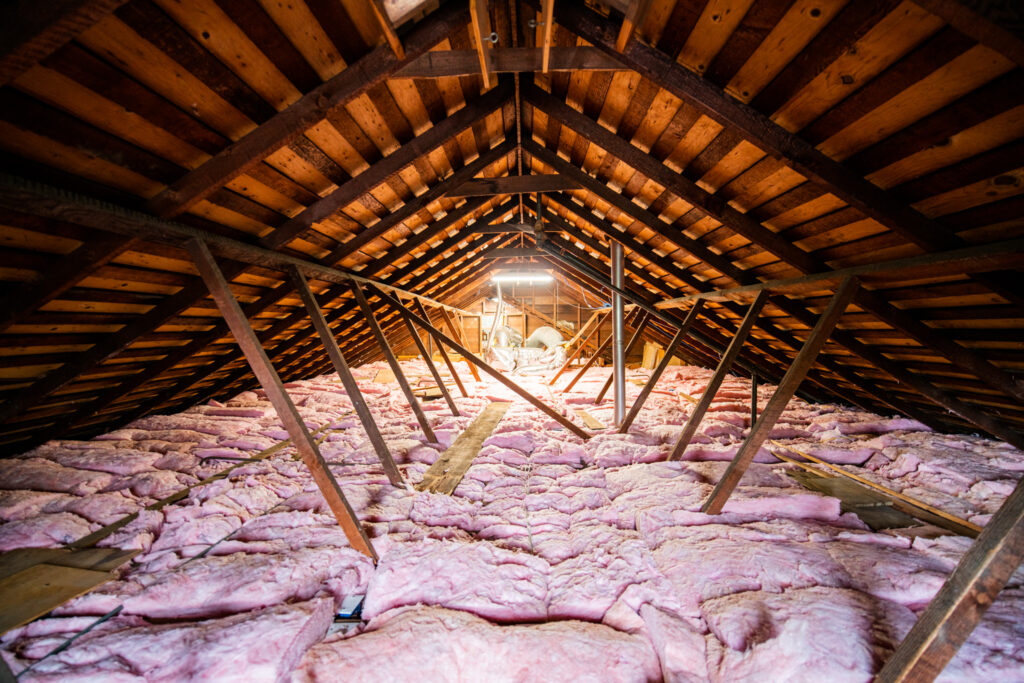
Sign #5: Your attic is extremely hot (and your roof ventilation is weak)
What to look for
- attic feels like an oven in late spring
- AC runs constantly but the house still feels warm
- upstairs rooms are significantly hotter than downstairs
- condensation or moisture in attic (yes, even in summer)
Why this matters before summer
Poor ventilation can:
- shorten shingle life (heat buildup from below)
- increase energy costs
- contribute to moisture problems year-round
A roof replacement is the best time to correct ventilation because you can:
- add proper intake (soffit) ventilation
- balance exhaust (ridge/roof vents)
- seal bypasses and improve airflow design
Actionable tip
Ask your roofer to explain ventilation like a system:
- Where does air come in?
- Where does it exit?
- Is it balanced?
If the answer is vague, get another opinion.
Bonus: 3 “high-risk” conditions that make replacement more urgent
1) Sagging roof lines or soft spots
This can indicate decking damage or structural issues. Don’t wait.
2) Multiple patch repairs across different areas
A roof with many repairs is often telling you it’s done.
3) You’re planning solar soon
If your roof has limited remaining life, replace it first. Solar removal/reinstall later is expensive.
Common mistakes homeowners make (and how to avoid them)
Mistake #1: Replacing shingles but keeping old flashing
Flashing failures cause a huge percentage of leaks. A “new roof” with old flashing is a common shortcut.
Mistake #2: Choosing the lowest bid without comparing scope
Low bids often exclude:
- underlayment upgrades
- decking replacement pricing
- ventilation improvements
- permit handling
Mistake #3: Waiting until peak season to call contractors
By mid-summer, the best crews are booked. You may end up choosing based on availability — not quality.
Mistake #4: Ignoring attic ventilation and insulation
A roof replacement is a chance to improve comfort and energy efficiency — but only if ventilation is addressed.
Mistake #5: Not getting documentation (warranties, photos, line-item scope)
A professional contractor should provide:
- clear scope of work
- materials list
- warranty terms
- photos of problem areas
Recent Blogs
Is it better to replace a roof before summer or after summer?
If your roof is aging or showing failure signs, replacing it before peak summer heat can reduce the risk of heat-related deterioration and help you avoid emergency repairs during peak season. If your roof is stable, fall can also be a good window — but waiting carries risk if problems are already present.
What temperature is too hot for roof replacement?
Roofing can be done in warm weather, but extreme heat can affect working conditions and some materials. Contractors may start earlier in the day and adjust schedules. The key is hiring a crew that plans around heat safely and follows manufacturer installation guidelines.
How do I know if I need a roof repair or full replacement?
If damage is isolated (a small area, a single penetration, limited flashing issue), repair may work. If you have widespread shingle deterioration, recurring leaks, major granule loss, sagging, or an old roof near end-of-life, replacement is usually the smarter long-term move.
Will a new roof lower my energy bill in summer?
It can — especially if your old roof has poor ventilation, damaged underlayment, or heat buildup issues. A new roof paired with improved ventilation and attic insulation often improves comfort and reduces cooling load.
What are the most common roof leak sources?
Common leak sources include chimney flashing, skylights, pipe boots, valleys, roof vents, and improperly sealed fasteners — not just shingles.
How long does a roof replacement take?
Many residential roof replacements take 1–3 days once work begins, but complexity, material type, weather, and decking repairs can extend the timeline.
What should I ask a roofer before signing a contract?
Ask about licensing/insurance, tear-off vs overlay, underlayment type, flashing replacement plan, ventilation strategy, decking replacement pricing, cleanup process, and workmanship warranty.
Conclusion: don’t let summer heat turn a warning sign into an emergency
If your roof is aging, shedding granules, showing shingle damage, leaking repeatedly, or trapping heat in your attic, summer can push it over the edge.
The smartest move is simple: get ahead of peak heat and peak season.
If you want clarity fast, schedule a roof inspection and replacement-readiness estimate. You’ll get a straight answer on whether you need a repair, a partial replacement, or a full roof system — plus a timeline that avoids the summer rush.