
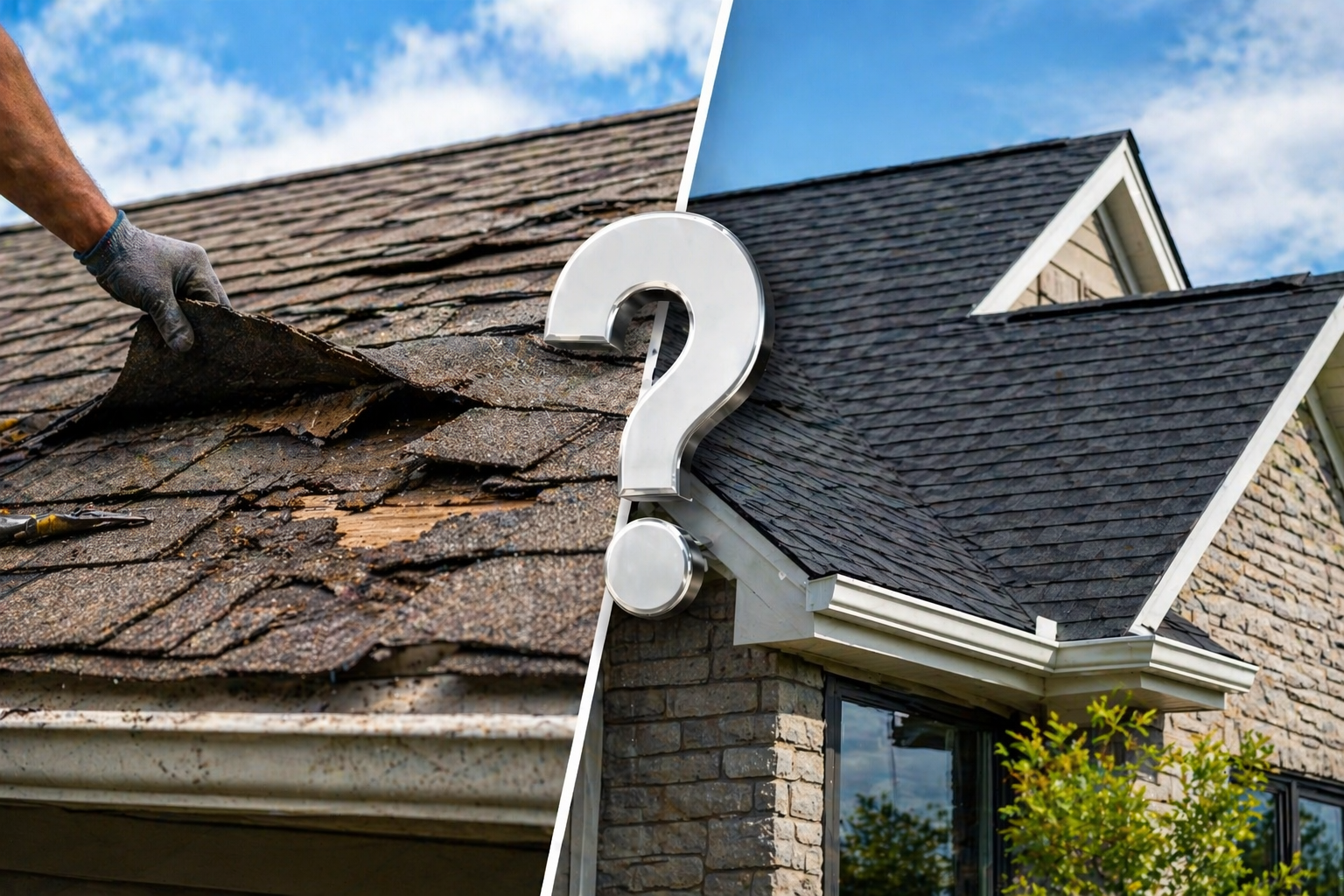
Roof Repair vs Roof Replacement: Which Is the Smarter Investment?
Your roof is one of the most important components of your home. It protects your property from rain, wind, heat, and moisture while helping maintain your home’s structural integrity and energy efficiency. However, like any part of your house, roofs eventually wear down over time.
One of the most common questions homeowners ask is:
“Should I repair my roof or replace it completely?”
At first glance, a repair may seem like the cheaper option. But depending on the age of your roof, the extent of the damage, and your long-term plans for the property, a full roof replacement may actually be the smarter investment.
In this guide, we’ll break down the key differences between roof repair and roof replacement, compare costs, and help you decide which option is best for your home.
Understanding Roof Repairs
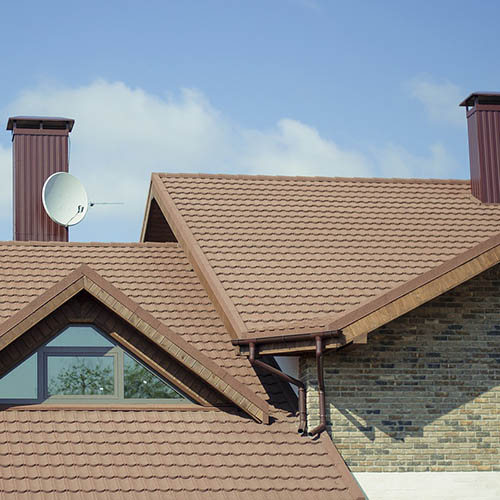
Roof repairs are designed to fix specific issues without replacing the entire roofing system. In many cases, minor damage can be repaired quickly and affordably.
Common roof repair services include:
- Replacing damaged shingles
- Fixing leaks
- Repairing flashing around vents or chimneys
- Sealing small holes or cracks
- Repairing skylight flashing
- Replacing broken tiles
When the roof structure is still in good condition, repairs can extend the lifespan of your roof without requiring a full replacement.


When Roof Repair Makes Sense
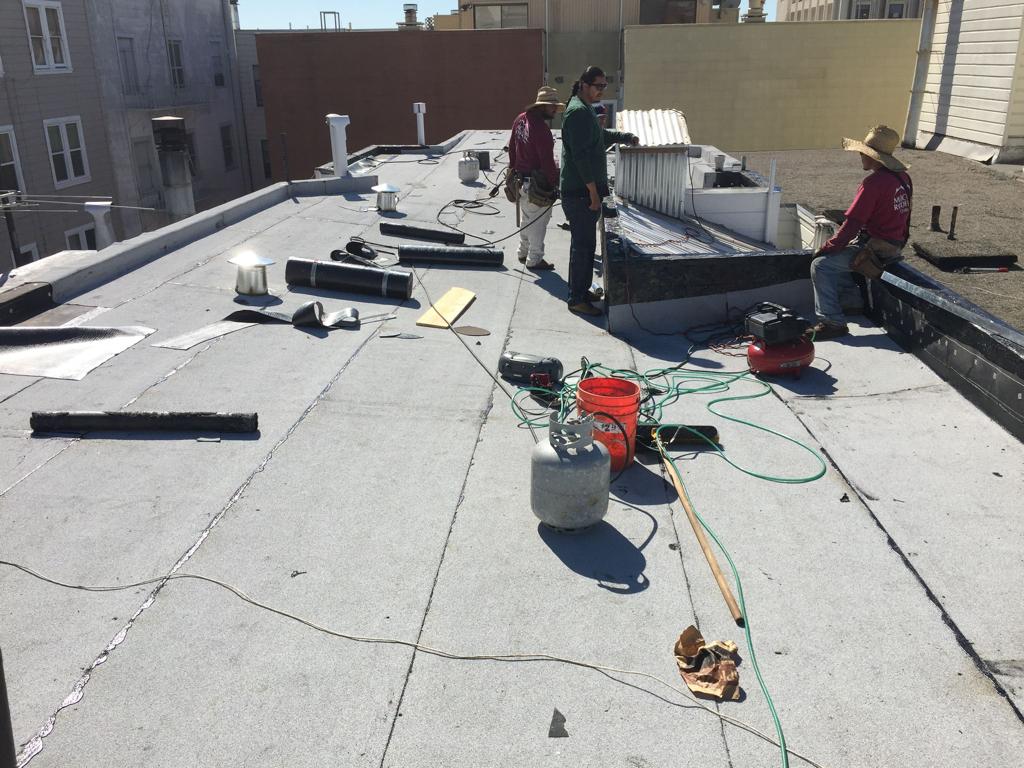
There are several situations where roof repair is the best choice.
1. The Damage Is Minor
If only a small section of your roof is damaged — for example, a few missing shingles after a storm — a repair is usually sufficient.
A professional roofing contractor can replace the damaged materials and restore the roof’s protective barrier.
2. Your Roof Is Relatively New
Most roofing systems last between 20 and 30 years depending on the material.
If your roof is still within the first half of its lifespan, repairing isolated issues is often the most cost-effective solution.
3. The Damage Is Caused by a Specific Event
Storm damage, falling tree branches, or heavy winds can cause localized roof problems.
In these cases, repairs can restore the roof without replacing the entire structure.

The Benefits of Roof Repairs
Choosing a roof repair offers several advantages:
Lower Immediate Cost
Roof repairs are significantly cheaper than full replacements.
Faster Completion Time
Many repairs can be completed in a few hours or a single day.
Less Disruption
Repairs require less labor and cause minimal disturbance to your daily routine.
Extends Roof Lifespan
Proper maintenance and repairs can add several years to your roof’s life.
Understanding Roof Replacement
Roof replacement involves removing the existing roofing materials and installing a completely new roof system.
This includes:
- Removing old shingles or tiles
- Inspecting the roof decking
- Installing new underlayment
- Installing new roofing materials
- Upgrading flashing and ventilation
A full replacement is a larger investment, but it provides long-term benefits that repairs cannot always deliver.
When Roof Replacement Is the Better Option
In many situations, repairing a roof repeatedly can actually cost more over time.
Here are some signs that replacement may be the smarter investment.
1. Your Roof Is Over 20 Years Old
Most asphalt roofs have a lifespan of 20 to 25 years.
Once your roof reaches this age, repairs become less effective because the materials are already deteriorating.
At that point, replacement often becomes the better long-term option.
2. Widespread Damage
If damage affects multiple areas of your roof, repairs may only provide temporary relief.
Signs of widespread damage include:
- Curling shingles
- Extensive granule loss
- Multiple leaks
- Sagging roof sections
These issues usually indicate that the entire roofing system is nearing failure.
3. Repeated Repairs
If you find yourself repairing your roof every year, the costs will quickly add up.
Instead of continuing to patch problems, replacing the roof eliminates recurring repair bills.
4. Energy Efficiency Issues
An aging roof often allows heat to escape during winter and enter during summer.
A new roof with updated insulation and ventilation can significantly improve your home’s energy efficiency.
Comparing the Costs
One of the biggest factors homeowners consider is cost.
Average Roof Repair Cost
Roof repairs typically cost between:
$300 – $1,500
Depending on the type of repair needed.
Common repairs include:
- Shingle replacement
- Leak sealing
- Flashing repair
Average Roof Replacement Cost
Roof replacements typically cost between:
$10,000 – $25,000
Factors that affect replacement cost include:
- Roof size
- Roofing materials
- Roof pitch
- Structural repairs
- Labor costs
While replacement costs more upfront, it can save money in the long run.
Long-Term Value of Roof Replacement
Replacing an aging roof offers several long-term benefits.
Increased Home Value
A new roof can significantly increase your home’s resale value.
Real estate studies show that homeowners can recover 60%–70% of the replacement cost when selling their property.
Improved Energy Efficiency
Modern roofing materials reflect sunlight and improve insulation, reducing energy bills.
This is especially important in areas like California where temperatures fluctuate.
Better Protection
A new roof provides stronger protection against storms, moisture, and wind damage.
This helps prevent costly structural repairs in the future.
Manufacturer Warranties
Most new roofs come with warranties ranging from 20 to 50 years.
Repairs usually do not offer the same level of protection.
Repair vs Replacement: A Quick Comparison
FactorRoof RepairRoof ReplacementCost | Lower upfront | Higher upfront
Lifespan | Short-term fix | Long-term solution
Completion time | Few hours | Several days
Home value | Minimal increase | Major increase
Warranty | Limited | Full manufacturer warranty

Questions to Ask Before Making a Decision
Before deciding between repair and replacement, ask yourself these questions:
- How old is my roof?
- How often have I repaired it?
- Is the damage localized or widespread?
- Am I planning to sell my home soon?
- Will repairs last long enough to justify the cost?
A professional roofing inspection can provide the answers you need.
Why a Professional Roof Inspection Matters
Many roofing problems are not visible from the ground.
Professional roof inspections include:
- Shingle condition analysis
- Flashing inspection
- Leak detection
- Structural assessment
- Ventilation evaluation
A roofing contractor can provide an honest recommendation based on the roof’s condition.
Why Homeowners Trust Professional Roofing Contractors
Working with a licensed roofing contractor ensures:
- Proper installation
- Code compliance
- Warranty protection
- Safety during repairs
Attempting DIY repairs can lead to more serious problems if not done correctly.
Final Thoughts: Repair or Replace?
Choosing between roof repair and roof replacement depends on the age of your roof, the extent of the damage, and your long-term goals.
Roof repair is ideal for:
- Minor damage
- Newer roofs
- Storm-related issues
Roof replacement is better when:
- The roof is aging
- Damage is widespread
- Repairs are becoming frequent
Investing in the right solution today can protect your home and save thousands of dollars in the future.
Frequently Asked Questions
Is it cheaper to repair or replace a roof?
Repairs are cheaper in the short term, but replacing an aging roof can save money over time by preventing repeated repair costs.
How long does a roof replacement take?
Most residential roof replacements take 1–3 days, depending on roof size and complexity.
Can a leaking roof always be repaired?
Not always. If the leak is caused by widespread damage or aging materials, replacement may be the better option.
How often should roofs be inspected?
Experts recommend one roof inspection per year and after major storms.