

How Long Does a Roof Replacement Take in Summer? A Complete Guide

Introduction: youre not just asking about timeyoure asking how much disruption you can handle
If youre planning a roof replacement in summer, the first question is almost always the same: How long is this going to take?
Not because youre impatientbut because youre trying to plan real life around it:
- Can you work from home while its happening?
- Do you need to board pets?
- Will your driveway be blocked?
- What if theres a surprise storm?
- Are you going to have an exposed roof overnight?
Summer can be a great time to replace a roof, but its also peak season. The best contractors move fast without rushing the details, and the worst ones promise a one-day roof that turns into a messy, drawn-out project.
This guide gives you a clear, homeowner-friendly timeline for how long a roof replacement takes in summer, what can slow it down, and how to keep your project on schedule.
Quick answer: how long does a roof replacement take in summer?
Most residential roof replacements in summer take:
- 1 day for smaller, straightforward roofs (single layer, simple design)
- 2 days for the average home (typical size + normal complexity)
- 3+ days for larger or complex roofs (steep pitch, multiple layers, tile/metal, skylights, chimney work, decking repairs)
The biggest factors are roof size, complexity, tear-off layers, material type, and whether the contractor finds damaged decking.
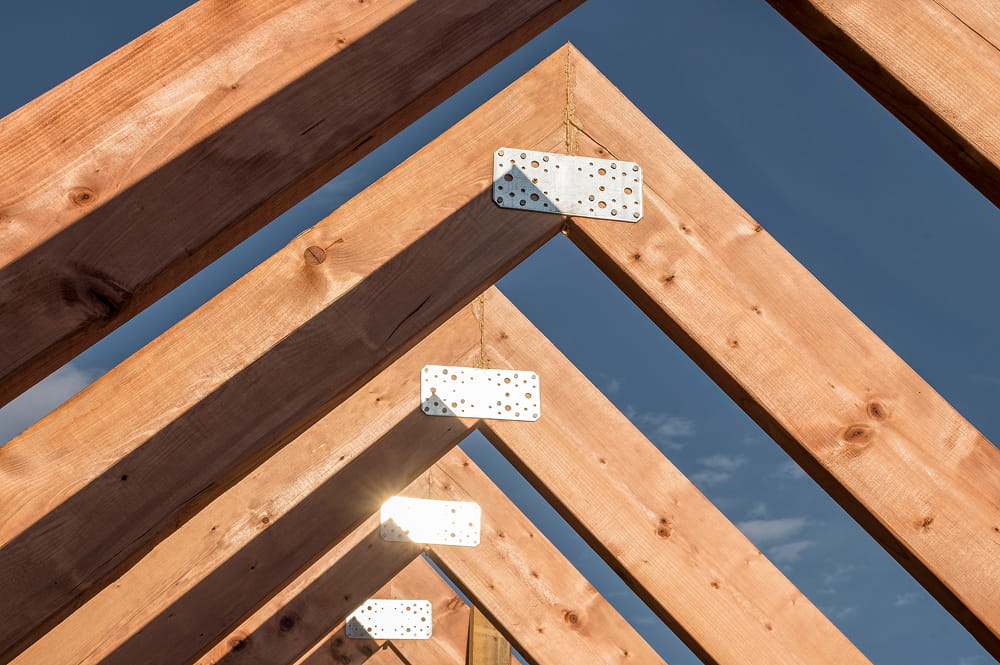
What a roof replacement includes (and why that affects timeline)
A full roof replacement is more than installing shingles.
Typical steps in a roof replacement
- Site prep and property protection
- Tear-off (removing old roofing)
- Decking inspection and repairs (if needed)
- Underlayment and waterproofing
- Flashing and penetrations (chimneys, vents, skylights)
- New roofing installation (shingles/tile/metal)
- Ridge caps/venting
- Cleanup, nail sweep, final inspection
If a contractor skips steps to hit a time promise, thats when leaks and warranty issues show up later.
Summer-specific reality: why timing can be fasteror slower
Summer often helps speed up roof projects because:
- Longer daylight hours allow earlier starts and longer work windows
- Fewer rain delays in many regions
But summer can also slow things down due to:
- Extreme heat (crews must pace safely)
- Peak-season scheduling (material delivery and crew availability)
- Surprise storms or high winds (even in summer)
Expert insight: The best summer installs start early, stage materials smartly, and prioritize waterproofing details over speed.
Roof replacement timeline in summer (day-by-day breakdown)
Heres a realistic view of what homeowners can expect.
Day 0: pre-job planning (1 weeks before)
This is where good contractors prevent delays.
What happens:
- Final measurement and material order
- Permit planning (if required)
- Dumpster delivery scheduling
- Confirming start date and crew size
- Reviewing ventilation plan and flashing scope
Actionable tip: Ask for a written scope and timeline before the start dateincluding what happens if decking is damaged.
Day 1: setup + tear-off + waterproofing start
Most jobs begin with:
- Protecting landscaping and windows
- Setting up tarps and debris management
- Removing old roofing layers
Then:
- Decking inspection begins
- Underlayment and waterproofing are installed as sections are cleared
A quality crew avoids leaving large areas exposed.
Day 2: installation + flashing details
On many average homes, Day 2 includes:
- Completing underlayment
- Installing shingles/tile/metal
- Handling valleys, chimneys, wall transitions
- Installing vents and pipe boots
This is the detail dayand its where quality shows.
Day 3: finish work + ventilation + cleanup + inspection
On 2 day projects, the final day often includes:
- Ridge caps and ridge vent
- Final flashing checks
- Sealant where appropriate (not as a substitute for flashing)
- Full cleanup and magnetic nail sweep
- Walkthrough and final inspection

What affects how long your roof replacement will take?
1) Roof size (squares)
Roofers measure in squares (100 sq ft). Bigger roof = more time.
2) Roof pitch and accessibility
Steeper roofs require more safety setup and slower movement.
3) Complexity (valleys, dormers, skylights, chimneys)
More cut lines and penetrations = more detail work.
4) Number of layers to remove
A single-layer tear-off is faster than removing two or more layers.
5) Material type
Different materials have different install speeds.
Asphalt shingles
Often fastest for steep-slope residential roofs.
Metal roofing
Can be fast with an experienced crew, but detailing is precise.
Tile roofing
Often slower due to underlayment focus, tile handling, and breakage management.
6) Decking repairs (the #1 surprise)
If the crew finds:
- rotted plywood
- soft spots
- delamination
They must replace sections before continuing. This can add hours or a full day.
7) Weather events (even in summer)
Wind can stop tear-off. Sudden storms can pause work. A good contractor has a tarp plan and sequencing strategy.

Real examples: what timelines look like in real life
Example 1: simple asphalt shingle roof (1 day)
- Single layer
- Minimal penetrations
- No decking repairs
Result: tear-off + install completed same day, cleanup finished before evening.
Example 2: average home with moderate complexity (2 days)
- One layer, but multiple valleys
- New ridge vent install
- Minor decking replacement
Result: Day 1 tear-off + repairs + underlayment; Day 2 install + venting + cleanup.
Example 3: complex roof or premium materials (3 days)
- Steep pitch
- Skylights + chimney flashing replacement
- Tile or metal system
- Larger decking repairs
Result: multi-day sequencing to ensure waterproofing and detail quality.
How to keep your summer roof replacement on schedule (homeowner checklist)
Book early and confirm crew size
Summer is peak season. Ask:
- How many installers will be on-site?
- Is this crew dedicated to my job or split across projects?
Get the scope in writing (so there are no mid-job surprises)
Confirm:
- Flashing replacement vs reuse
- Underlayment type
- Ventilation work
- Decking repair allowance and pricing
Ask about start times and heat strategy
Good summer crews often start earlier. Ask how they handle:
- extreme heat
- material staging
- worker safety breaks (quality depends on this)
Prepare your property
- Move vehicles away from the work zone
- Protect attic items from dust
- Plan for pets and kids
- Tell the contractor about sprinklers and fragile landscaping
Common mistakes homeowners make when planning roof replacement timing
1) Believing a one-day promise without asking whats included
A one-day roof can be realbut only if the scope matches. If a contractor is promising one day on a complex roof, ask what theyre not doing.
2) Not planning for decking repairs
Decking repairs are common. If your estimate has no plan for it, you may face delays and surprise costs.
3) Scheduling around your life but not around the weather window
Even in summer, you need a buffer. Dont schedule a big event the day after the roof is supposed to finish.
4) Choosing the lowest bid that uses a smaller crew
A smaller crew can mean a longer timeline. Sometimes thats finebut it should be clear upfront.
5) Ignoring ventilation upgrades because its just a roof
Ventilation work can add time, but its often worth it for comfort and roof longevityespecially in summer.
Recent Blogs
FAQ: How long does a roof replacement take in summer?
How long does it take to replace a roof in summer?
Most residential roof replacements take 1 days in summer. Smaller, simple roofs may be done in one day, while larger or more complex roofs can take 3+ days.
Can a roof replacement be done in one day?
Yes, if the roof is straightforward, the crew is large enough, and there are no decking repairs. One-day projects are less common for complex roofs with valleys, skylights, or multiple layers.
What causes roof replacement delays in summer?
Common delays include extreme heat, high winds, sudden storms, material delivery issues, and unexpected decking damage discovered during tear-off.
Will my roof be exposed overnight?
A professional contractor sequences tear-off and underlayment to keep the home protected. In some cases, tarps may be used overnight, but the goal is to avoid leaving large areas exposed.
Can I stay home during a roof replacement?
Usually yes, but expect loud noise and vibration. If you work from home, plan meetings around peak noise. Pets may need a quieter space or boarding.
How long does a roof replacement take with decking repairs?
Minor decking repairs may add a few hours. Larger repairs can add a full day or more depending on how much wood needs replacement.
What should I ask a roofer about timeline before hiring?
Ask about crew size, start time, sequencing plan, how they handle weather, what happens if decking is damaged, and whether the timeline is written into the contract.
Conclusion: a fast roof isnt the goala watertight, well-built roof is
In summer, most roof replacements take 1 daysbut the exact timeline depends on your roofs size, complexity, material, and whether repairs are needed.
The best way to avoid delays (and stress) is to hire a contractor who plans the job like a system: clear scope, proper waterproofing, strong flashing details, and a realistic schedule that doesnt rely on rushing.
Want an accurate timeline for your roof? Schedule a professional inspection and request a written, line-item estimate that includes crew size, expected duration, ventilation recommendations, and a plan for decking repairs. Youll get clarity before work beginsand a roof replacement that stays on schedule and holds up long-term.