
Why May Is the Best Time to Schedule Your Roof Replacement in the Bay Area (2026 Guide)

Introduction: the “leak season” panic is expensive
If you’ve ever discovered a roof leak the first time fog turns into real rain, you know the pattern: you call around, everyone’s booked, prices feel higher, and you’re forced into a rushed decision. In the Bay Area, that scramble is common—because many homeowners wait until the first big storms to think about their roof.
May is the sweet spot. It’s early enough to avoid the peak-season backlog, late enough to get reliable weather windows, and perfectly timed to protect your home before the next wet season. If you’re considering a roof replacement in the Bay Area, scheduling in May can save you time, stress, and costly surprises.
Is this article for you? (Search intent)
This is for Bay Area homeowners who are:
- Comparing timing for a roof replacement (informational intent)
- Trying to avoid delays, emergency repairs, or repeat leaks (problem-aware)
- Ready to get quotes and schedule work soon (transactional intent)
If you want the short answer: May is often the best month to schedule a roof replacement in the Bay Area because weather, contractor availability, and pre-winter protection align.
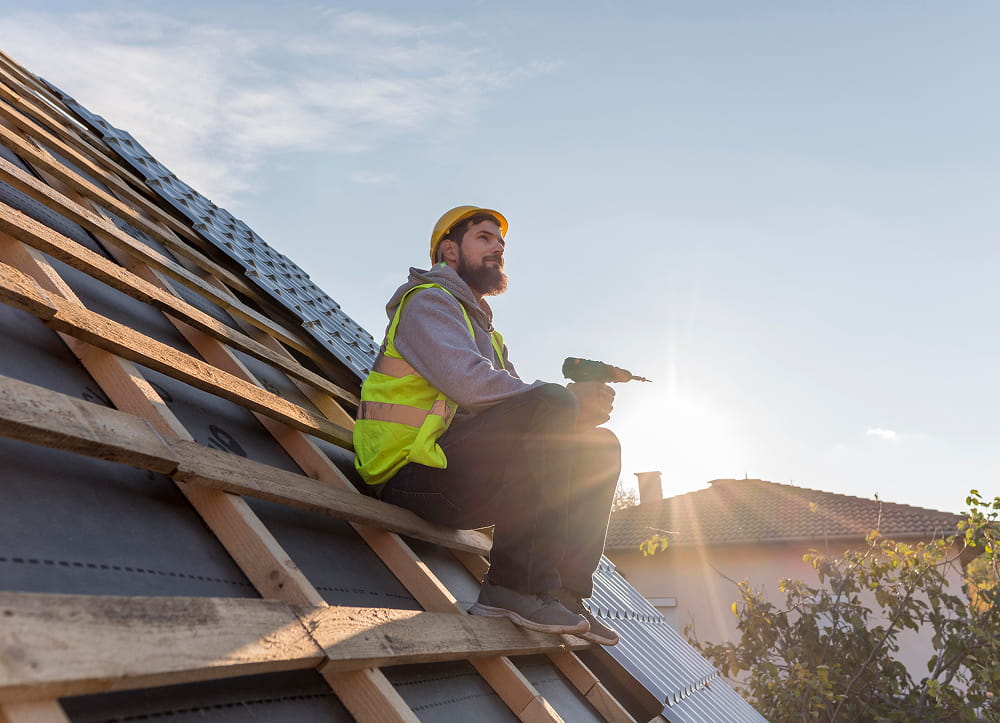
Why May is the best time for roof replacement in the Bay Area
1) Better weather windows = faster installs and fewer delays
Roof replacement is weather-dependent. Crews need safe, dry conditions to tear off old materials, install underlayment, flashings, and complete sealing details.
In May, the Bay Area typically offers:
- More consistent dry days than winter and early spring
- Fewer storm-driven reschedules
- Safer working conditions (less wind/rain disruption)
What that means for you: a tighter project timeline and less chance your roof sits “open” waiting on the next clear day.
2) You beat the summer rush (and the “first rain” rush)
Roofing demand tends to spike in two waves:
- Early summer as homeowners start projects
- Early fall when people realize winter is coming
May is early enough to get ahead of both. You’re more likely to:
- Get quicker estimates
- Have more scheduling options
- Avoid being pushed weeks out
Pro tip: If you want the best crews (not just whoever is available), May gives you more leverage.
3) You have time to fix hidden issues before they become structural damage
A roof replacement often uncovers problems you can’t see from the ground:
- Soft decking / rotted plywood
- Poor ventilation
- Old or incorrect flashing
- Mold or moisture issues in the attic
Scheduling in May gives you breathing room to address these correctly—without the pressure of incoming storms.
Real-world example: A homeowner replaces the roof in October, discovers widespread decking rot, and suddenly the “one-day job” becomes a multi-day emergency with material delays. In May, that same discovery is still inconvenient—but not urgent.
4) May is ideal for planning around permits, HOA rules, and material lead times
In many Bay Area cities, permits and inspections can add time. HOAs may require approvals, specific colors, or manufacturer documentation.
May gives you time to:
- Pull permits without panic
- Order materials (especially premium shingles, tile, or specialty metal)
- Coordinate solar, skylights, gutters, or attic insulation upgrades
5) You protect your home before the next wet season (without paying “emergency pricing”)
The Bay Area’s wet season can expose every weak point:
- Failed flashing around chimneys
- Worn pipe boots
- Valleys that hold debris
- Aging underlayment
A May roof replacement means you go into fall with:
- New waterproofing layers
- Proper flashing details
- Clean ventilation strategy
- A roof system designed to handle wind-driven rain

Bay Area-specific factors that make May a smart move
Coastal fog and moisture: why timing matters
Even in “dry” months, coastal microclimates (Daly City, Pacifica, parts of San Francisco) can bring persistent moisture. May often offers a better balance—less rain risk than spring, but not the peak heat of late summer.
Wildfire smoke season and air quality considerations
In recent years, late summer and early fall can bring smoke days. Roofing is outdoor labor. May can reduce the chance your project is impacted by poor air quality or heat advisories.
Solar + roofing coordination
If you’re adding solar or already have it, coordinating roof replacement is critical. May is a great time to:
- Replace the roof first
- Reinstall solar properly
- Avoid scheduling conflicts when both roofers and solar installers are busy
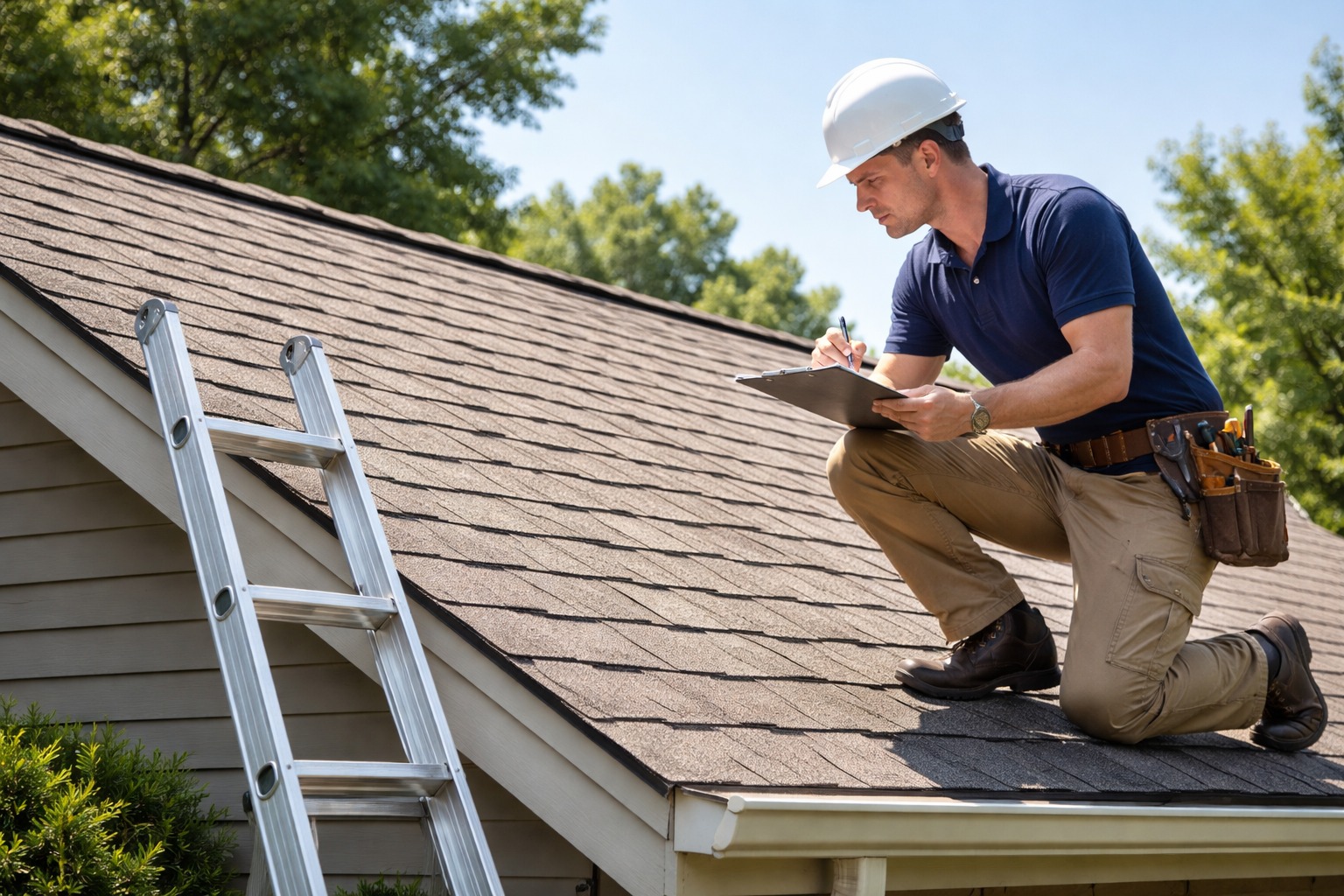
Actionable tips: how to schedule your Bay Area roof replacement in May (and get the best outcome)
1) Get 2–3 quotes—but compare scope, not just price
Ask each roofer to specify:
- Tear-off vs overlay
- Underlayment type and warranty
- Flashing replacement details (chimney, valleys, skylights)
- Ventilation plan (intake + exhaust)
- Decking replacement pricing (per sheet)
Tip: The cheapest quote often wins by excluding critical line items.
2) Ask for a “roof system” plan, not just a shingle brand
A high-performing roof is a system:
- Underlayment
- Ice/water protection where needed
- Flashings
- Ventilation
- Ridge/hip caps
- Sealants and fasteners
If a contractor can’t explain the system clearly, that’s a risk.
3) Schedule an attic/ventilation check before install day
Poor ventilation can shorten roof life and increase moisture problems. Ask for:
- Intake ventilation assessment (soffits)
- Exhaust ventilation assessment (ridge/roof vents)
- Bathroom fan venting check (common hidden issue)
4) Plan upgrades that are easiest during replacement
May is a great time to bundle improvements:
- Replace gutters/downspouts
- Add or replace skylights
- Upgrade attic insulation
- Improve attic sealing
- Add drip edge and modern flashing details
5) Lock your schedule early (May fills up fast)
If May is your target, start outreach in April. The best contractors book ahead.

Common mistakes homeowners make (and how to avoid them)
Mistake 1: Waiting for a leak to “prove” you need a new roof
By the time you see water, damage may already be in the decking or insulation.
Mistake 2: Choosing the lowest bid without verifying what’s included
Low bids often exclude:
- Flashing replacement
- Decking repairs
- Proper ventilation
- Permit handling
Mistake 3: Not confirming licensing, insurance, and workmanship warranty
Always verify:
- License status
- General liability + workers’ comp
- Written workmanship warranty (not just manufacturer warranty)
Mistake 4: Ignoring flashing and penetrations
Many leaks come from:
- Chimney flashing
- Skylight flashing
- Pipe boots
- Valleys
A “new roof” with old flashing is a common failure point.
Mistake 5: Not planning for solar removal/reinstall
If solar is involved, clarify:
- Who removes and reinstalls
- Who warranties penetrations
- Timeline coordination
Recent Blogs
Is May really the best month for roof replacement in the Bay Area?
May is often ideal because it offers more reliable dry weather than winter/spring and helps you avoid peak scheduling congestion later in summer and early fall. It also gives you time to address any hidden issues before the next wet season.
How long does a roof replacement take in the Bay Area?
Many standard residential roof replacements take 1–3 days once work begins, but timelines vary based on roof size, complexity, material type (shingle vs tile vs metal), and whether decking repairs are needed.
Is it cheaper to replace a roof in May?
It can be—mainly because May helps you avoid emergency repairs, rushed scheduling, and storm-related delays. Pricing still depends on material choice, roof complexity, and contractor demand.
Should I replace my roof before installing solar?
Yes. If your roof has limited remaining life, replace it first so you don’t pay twice for labor. Coordinating roof + solar in May can reduce scheduling conflicts.
What are signs I need a roof replacement soon?
Common signs include curling or missing shingles, granules in gutters, recurring leaks, soft spots, sagging areas, and visible flashing issues around chimneys or skylights.
Do I need a permit to replace a roof in the Bay Area?
Often, yes—especially for full tear-offs or structural repairs. Requirements vary by city and county, so confirm with your contractor and local building department.
What should I ask a roofing contractor before scheduling?
Ask about scope (tear-off, underlayment, flashing), ventilation plan, decking repair pricing, permit handling, warranty terms, insurance, and how they protect landscaping and clean up.
Conclusion: schedule in May to avoid the rush—and protect your home before winter
If you’re even thinking about replacing your roof this year, May is the month that gives you the best mix of scheduling flexibility, smoother installation conditions, and enough runway to fix issues the right way.
Next step: If you want a clear, no-pressure plan, book a roof replacement readiness check—so you know what you need, what you can postpone, and what will cost you more if you wait.